
News
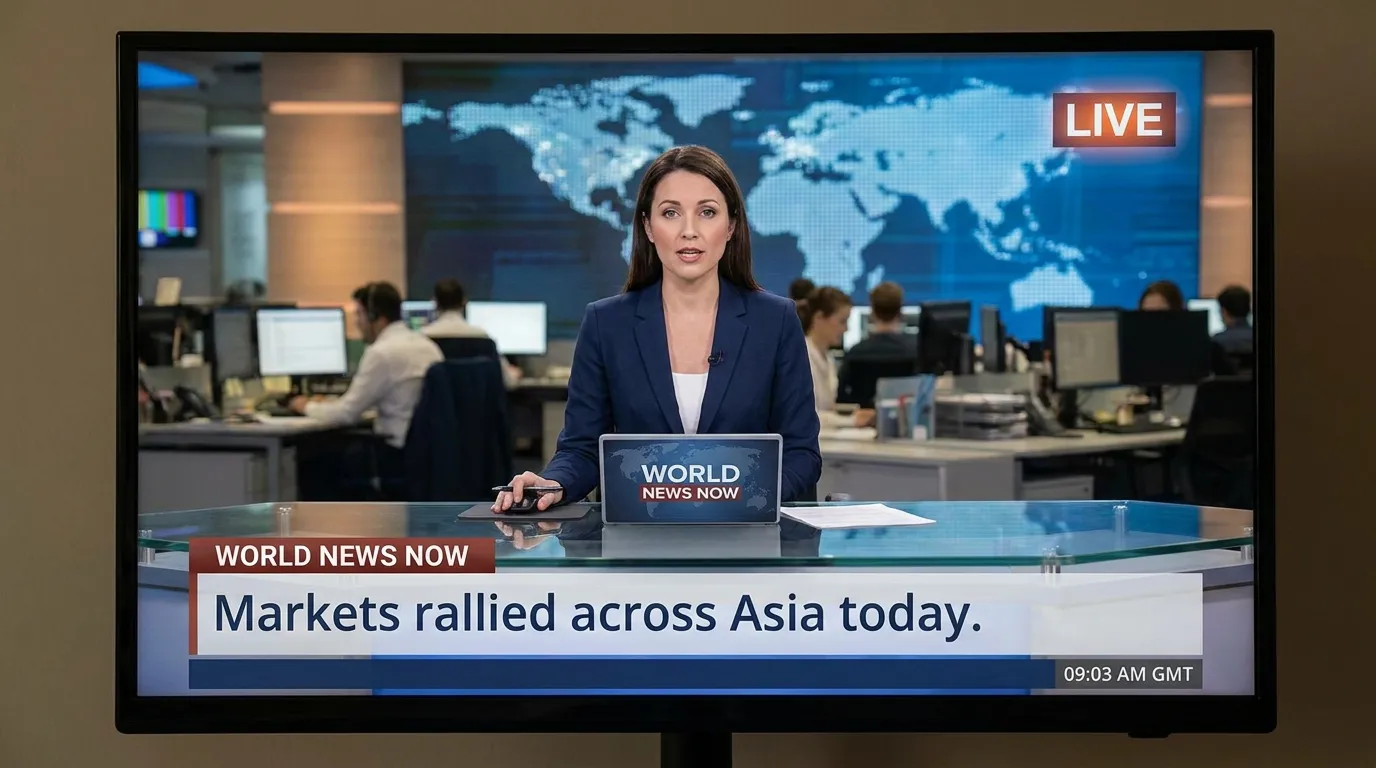
Breaking news covered as it happens. Overnight and 24/7 coverage. Alongside your captions.
See the news solutionBroadcast & streaming
Events & organizations
Start with the outcome
“The platform is flexible. The conversation starts with what you want your audience to experience.”
Platforms
What we deliver
Put it on autopilot
“Start with one caption track. Add subtitles, dubs, platforms and markets from the same system.”
Where we join the chain
What comes out
One useful conversation
“No transcoding. No demand to replace the vendors you already trust.”
Platforms you already run
Do not see your platform?
“If it accepts video, audio, captions or a web embed, there is probably a clean seam.”
Explore
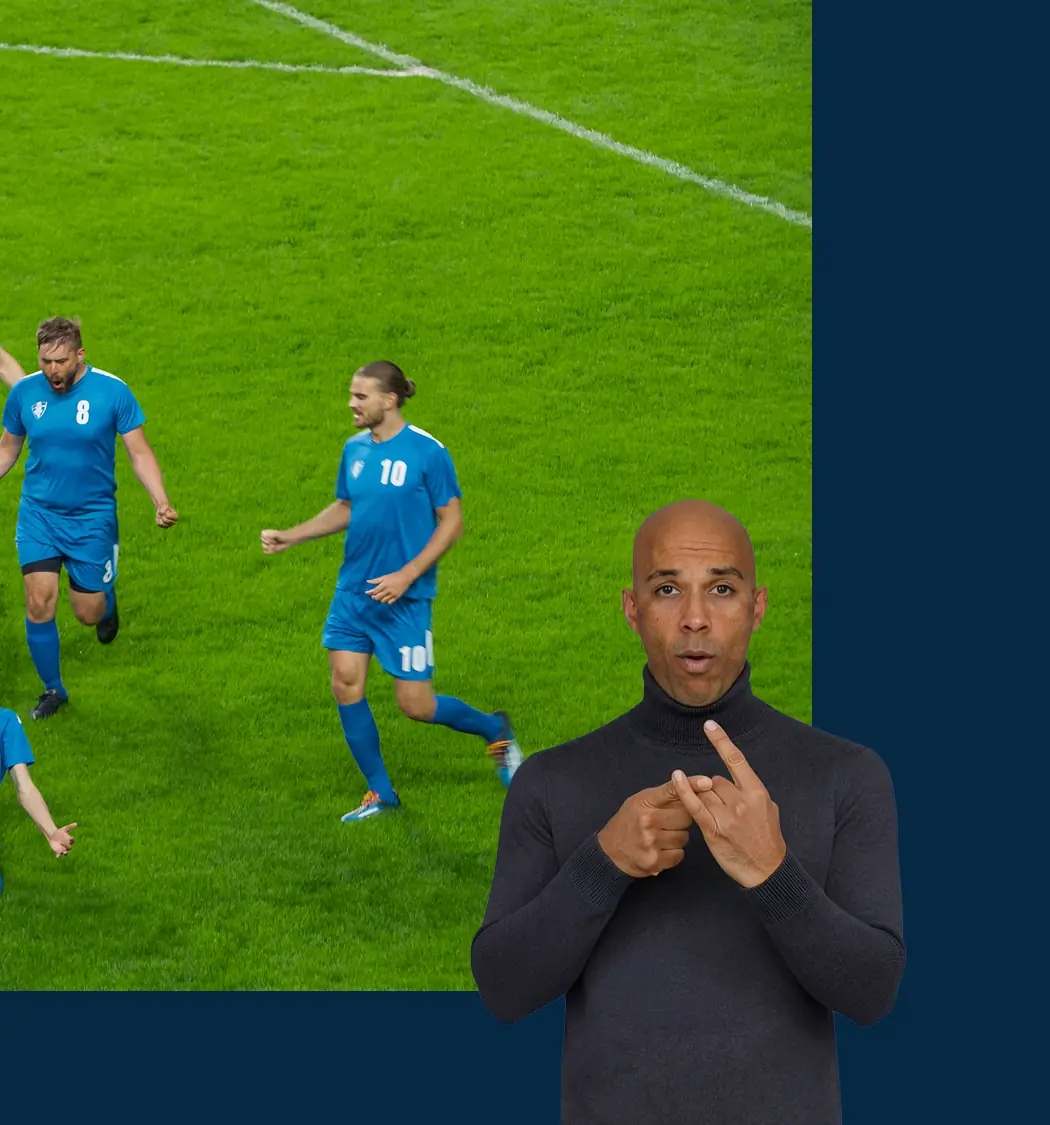
A photorealistic ASL signer, generated from your live audio in near real time and composited into your program. Built with Signapse, delivered in the SRT workflow you already run.


Use cases
Where a live signer earns its place: the hours, rooms and channels an interpreter can't always cover.
Breaking news covered as it happens. Overnight and 24/7 coverage. Alongside your captions.
See the news solution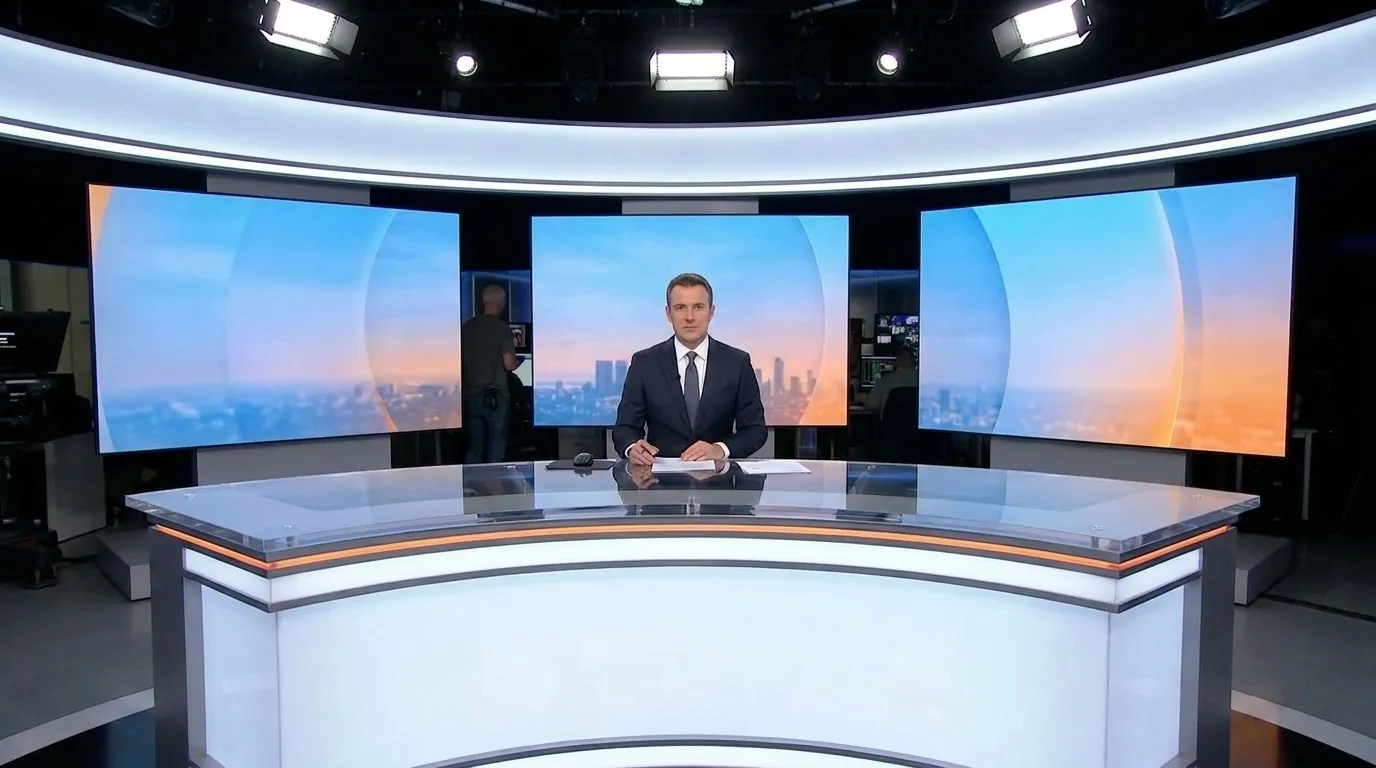
Linear TV and 24/7 channels. Master control and cloud production. No new hardware.
See the broadcast solution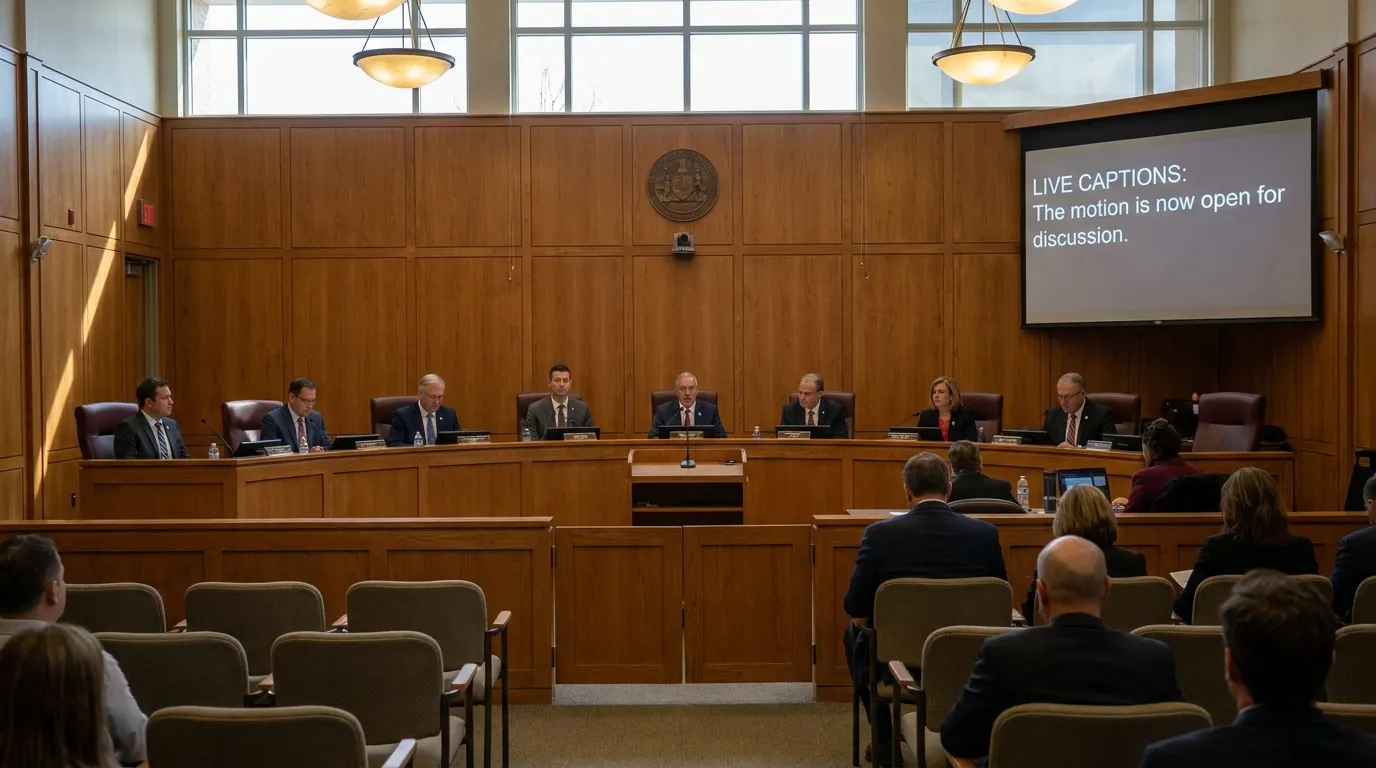
Council and committee meetings. Sign language beside captions. Supports your accessibility obligations.
See the government solution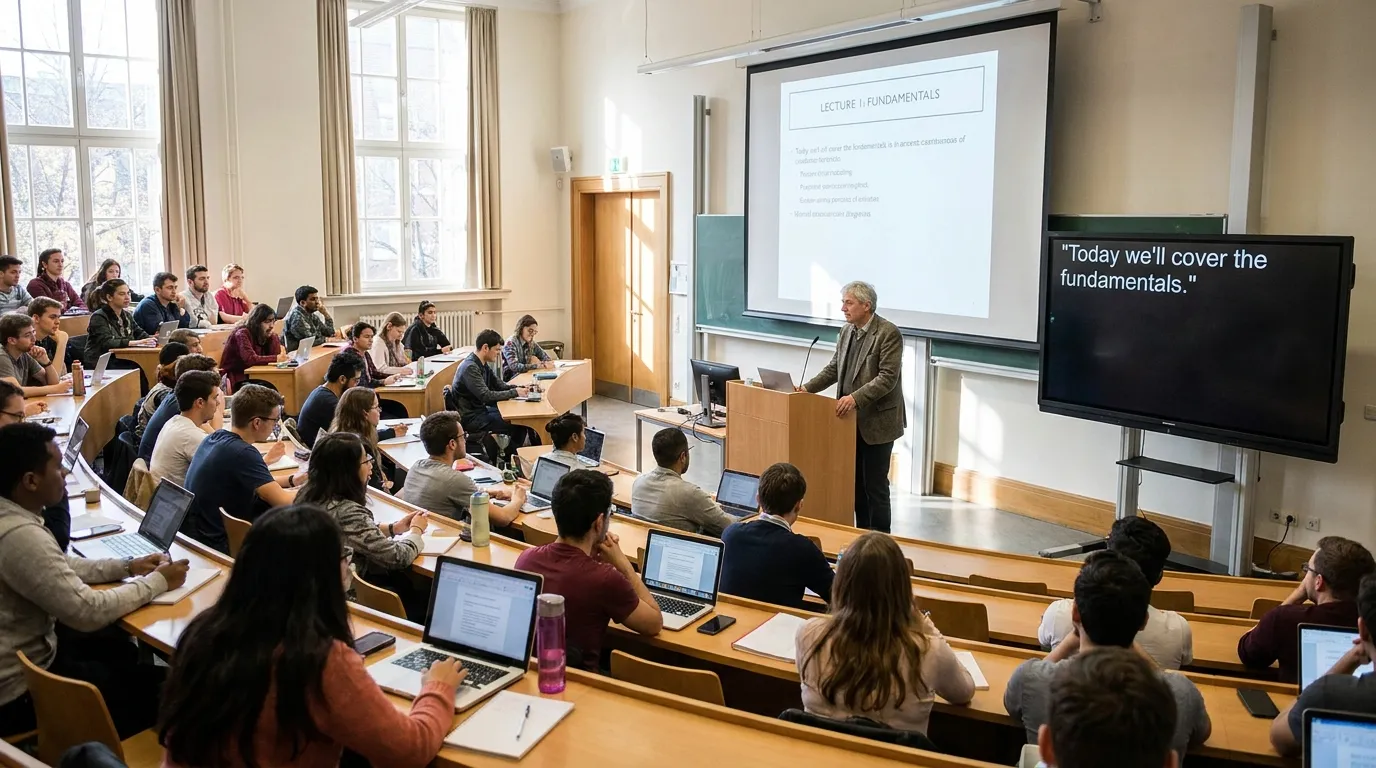
Lectures, commencements and campus events. Coverage when interpreters are booked out.
See the education solution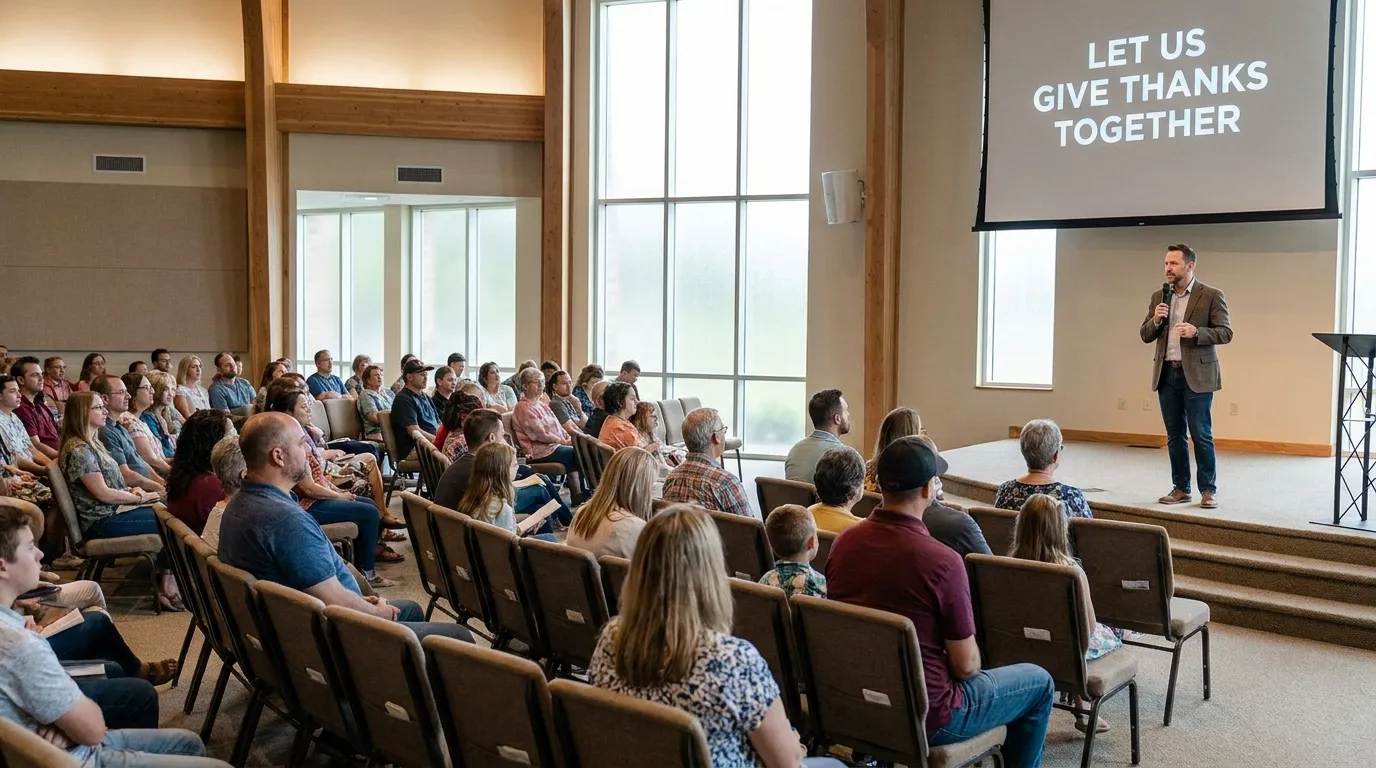
Sign language for every service, including the ones no interpreter covers. Runs with captions and translations.
See the worship solution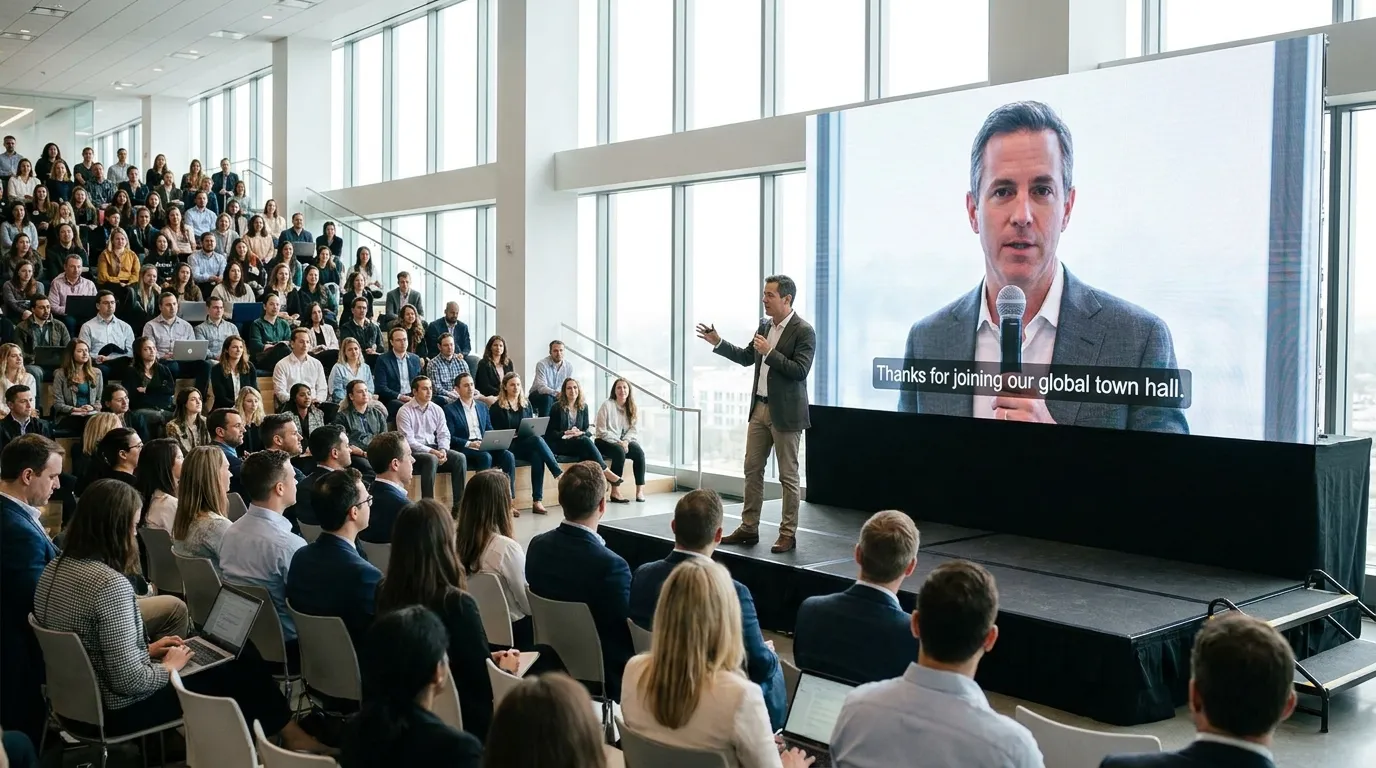
Town halls and all-hands. Accessibility without a second production. Secure delivery.
See the enterprise solutionWhy live ASL
One workflow removes the second production chain: the signer is generated from the stream you already send us.
A lifelike AI signer generated by Signapse and composited directly into your program.
Runs on the SRT stream you already send for captions. No second encoder, no separate production chain.
Covers overnight programming, 24/7 channels and unexpected live events.
Human interpreters stay essential; automated ASL covers the hours they cannot.
Captions, translated subtitles and AI dubs run from the same stream as the signer.
How it works
The workflow starts with the stream you already send SyncWords for live captions or subtitles.
The same contribution stream you already send SyncWords for live captions or subtitles.
SyncWords runs live speech recognition on the program audio.
The transcript drives the Signapse Digital Signer, generating ASL in near real time.
The signer is composited into the video and the stream is handed back over SRT.
Fit to your production
Size and position adjust to your graphics package and the overall look of the program.
The signer in a corner of the frame, clear of your graphics.
A lower-third style layout along the bottom of the program.
The signer beside the program on either side of the frame.
A picture-in-picture window, or a larger area of the screen when signing is the point.
One accessibility workflow
Every output runs from the same live session, so adding ASL never means adding a workflow.
Live AI captions inserted into your stream, from the same speech recognition that drives the signer.
Translated subtitles in 163 languages, delivered in real time from the same session.
Vocalics dubs your live audio in 86 languages, keeping the speaker's tone, pacing and emotion.
Live Sign Language adds near real-time automatic American Sign Language to a live stream or broadcast. SyncWords transcribes the program audio with live speech recognition, the Signapse Digital Signer generates a photorealistic ASL translation from that transcript, and the signer is composited into the video and returned over SRT.
No. Human interpreters remain an essential part of accessibility, particularly for programming that requires interaction, context and human judgment. Automated ASL extends sign-language access to more programming and more hours than can reasonably be staffed: overnight blocks, 24/7 channels and unexpected live events.
An SRT stream is all the workflow needs. If you already send SyncWords an SRT stream for live captions or subtitles, ASL is added to that same stream: no additional encoder, no specialized hardware, and no separate production chain.
The signer can be placed in a corner of the screen, in a lower-third style layout, on the left or right side, in picture-in-picture, or given a larger area of the screen. Size and position adjust to work with your existing graphics package and the overall look of the program.
The signer is generated in near real time from the live transcript of the program audio. Exact timing depends on your chain, so if delay budgets matter in your workflow, talk to our engineers and we will walk through it with you.
Adding sign language alongside captions gives Deaf viewers whose primary language is ASL a way to follow live programming in that language, and it helps you meet the accessibility obligations that apply to you, such as FCC or ADA Title II obligations. Compliance itself rests with your organization; our output is built to support it.
Yes. ASL runs from the same live session as closed captions, translated subtitles in 163 languages, and Vocalics AI dubbing in 86 languages. One stream in, every accessibility and language output from the same workflow.
Live Sign Language works with SRT-based contribution workflows and supports cloud and remote production, master control, and OTT delivery environments. The signed program is returned over SRT into the chain you already run.
SyncWords pricing is usage-based, and ASL runs as an additional output on your live session. Contact us and we will scope pricing for your programming hours and workflow.
Talk with our team about adding a photorealistic ASL signer to the live workflow you already run.
We use cookies for analytics and advertising. They're set only if you accept, and you can change your choice any time via “Cookie settings” in the footer. Cookies Policy